
Mental Health
Find articles on stress, phobias and schizophrenia. This section offers information on a range of mental health issues.
Not So Funny: The Mysterious 1962 Tanganyika Laughter Epidemic

Freudenfreude Is the Joyous Opposite of Schadenfreude
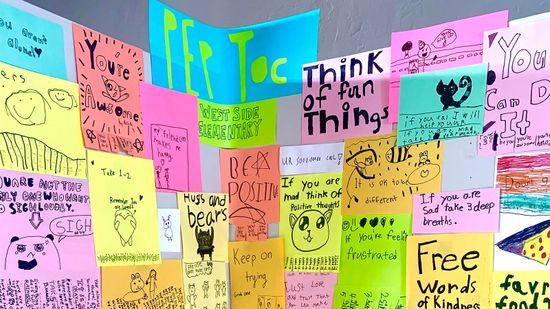
Feeling Blue? This Kid-run Hotline Will Lift Your Spirits

How Living in Total Darkness Sabotages Your Sleep
What Causes Nightmares, and How Can You Lessen Them?
What Is the Healthiest Position for Sleep?
Ultra-processed Foods Are Addictive by Same Criteria as Tobacco

When Does Belief in a Conspiracy Theory Like QAnon Tip Into Addiction?

HowStuffWorks: What is Jessie’s Law?

For 64 Percent of Kids with ADHD, Food is the Cause

Can food allergies cause ADHD?

ADHD Overview
Do You Have a Fear of Long Words?
Trypanophobia: When the Fear of Needles Has You Stuck

Thalassophobia: Do You Fear the Deep Ocean?

What is the autism diet?
Autism Causes
Autism Language Difficulties

3 Key Steps to Finding the Right Therapist for You
How Maladaptive Daydreaming Can Take Over Your Life
STUG: When Grief Hits Like a Bolt Out of the Blue

Lifelike Robo Pets Help Seniors Combat Loneliness

Insights on Alzheimer's From the Long-running Nun Study

Is there a link between concussions and dementia?
Youth Suicides Rose After FDA Added Antidepressant Warnings

Here's How You Help a Friend With Depression

'Gloomy Sunday:' The Song Linked to More Than 100 Suicides

Picky Eating in Adults Is a Diagnosable Disorder — Really

5 Signs of Weight Obsession
10 Facts About Eating Disorders

What's the Difference Between a Sociopath and a Psychopath?

Digital Hoarding Could Be Harmful to Your Mental Health

Which Jobs Have the Highest Suicide Rates?
Hear Sounds When Watching Silent Videos? It Might Be Synesthesia

When Wisecracks and Puns Are Symptoms of Brain Damage

How Stuttering Works

How Sigmund Freud Worked

Freud, Sigmund
Learn More

The terms sociopath and psychopath are used interchangeably, but they're not the same. So what's the differences between these two antisocial personality disorders?
In 1962, at a girls' school in Tanganyika (now Tanzania), Africa, some schoolgirl giggles turned into a countrywide health crisis. And, to this day, the laughter remains a mystery.

They blink, stretch, purr and are warm to the touch. Robotic companion animals have been proven to reduce stress, anxiety and antipsychotic drug use among older people, especially those with with dementia.
Advertisement

These days, people are looking for ways to find and share more joy instead of feeling happy about someone else's misfortune. That feeling of shared joy is called freudenfreude.
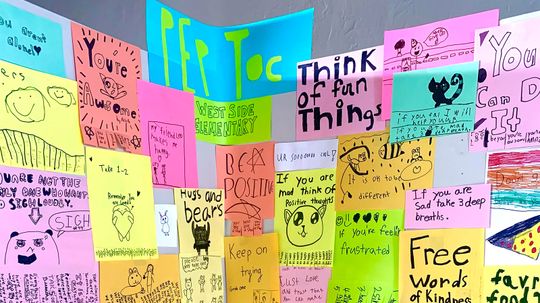
Feeling down and need someone to pick you up? Give the kids of Peptoc a call and we guarantee a smile!

Research has shown that having a good relationship with your therapist is key to having good outcomes in therapy. But how do you find one you like? We have some great suggestions.
By Alia Hoyt
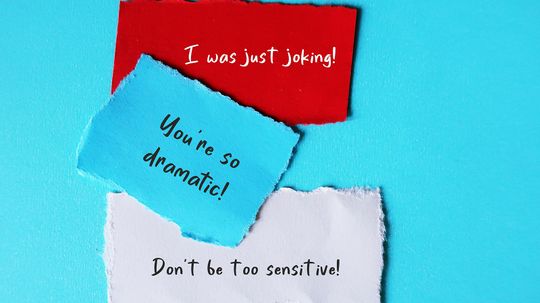
It's a term that's often used in an argument. But gaslighting has a very specific meaning that is often lost. What is it and how can you know if you're really being gaslighted?
By Alia Hoyt
Advertisement

Imagine being trapped in a cave or being completely blind. Would you know when to sleep and wake? And how would that throw off your body clock?
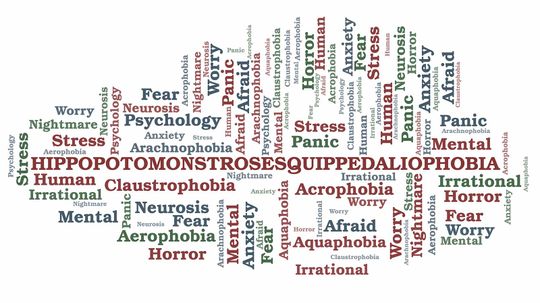
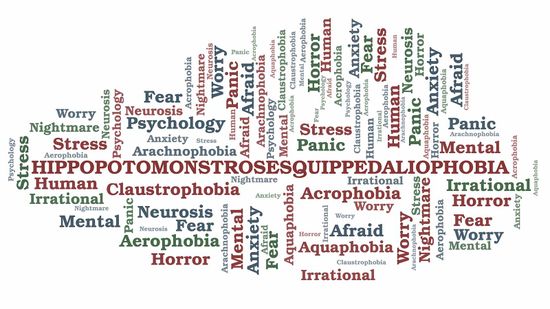
The fear of long words is ironic, as the name is ridiculously long. What gives?
You've probably had a scary dream where you fell off a cliff, were naked in public or were chased by a monster. What causes these nightmares and can you lessen their occurrence?
By Alia Hoyt
FDA antidepressant warnings have led to reduced mental health care and increased suicides among youth, so what is going on?
Advertisement
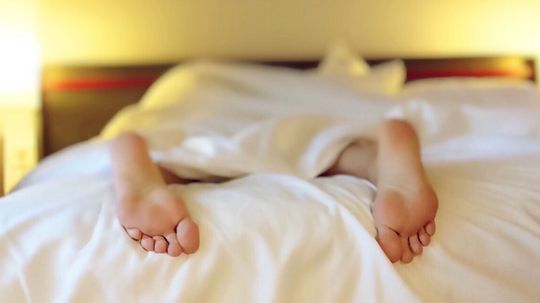
Getting enough sleep and finding the healthiest position to sleep in go hand in hand. So, side, back, stomach? Which is the healthiest way to sleep?

Shinrin-yoku, or forest bathing, is all about slowing down and "bathing" yourself in the beauty of nature, which leads to psycho-emotional healing and stress reduction.
By Carrie Tatro

Can ultra-processed foods really be considered addictive? Or are people just overindulging in foods that they like?
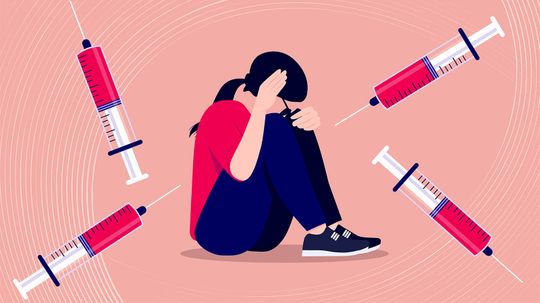
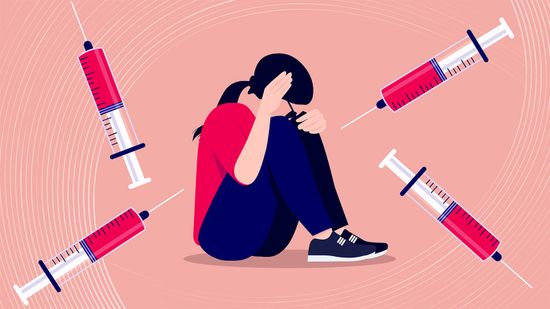
Even though most people don't like getting shots, we can do it without much hesitation. But what if you have a debilitating fear of needles? How do you push past that to get critical medical care like the COVID-19 vaccine?
Advertisement
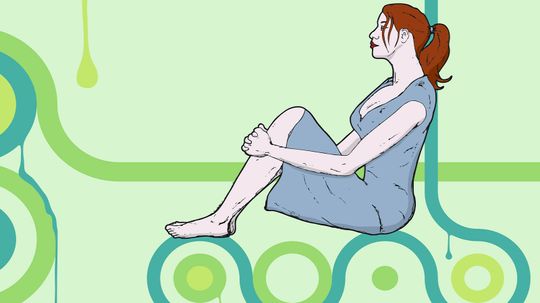
Daydreaming is often how we escape the everyday mundane. But what happens when those fantasies start to replace your real desire for life?

Getting lost in a book is one of life's greatest pleasures, but is a digital book just as pleasurable as a paper book? And which format is the best for learning?

About half of all Americans believe at least one conspiracy theory. But what's the difference between believing a theory and being addicted to it? And how can you help someone you think might be in too deep?

Everyone experiences boredom at some point and maybe even ennui, a chronic type of boredom. But surprisingly, ennui does have some benefits.
By Alia Hoyt
Advertisement
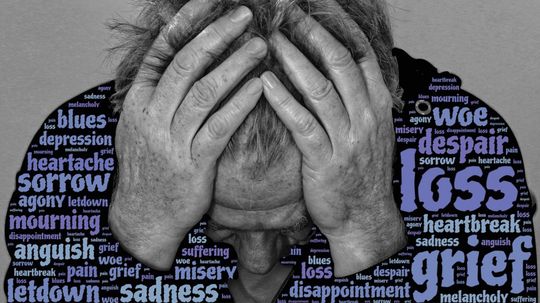
A sudden (or subsequent) temporary upsurge of grief, or STUG, can knock you off your feet and leave you in a puddle, but being aware of it can lessen its power.
By Carrie Tatro

Should we blame this on the movie 'Jaws'? Many people have a fear of the ocean and what lies beneath it. How can you cope with this?
By Alia Hoyt
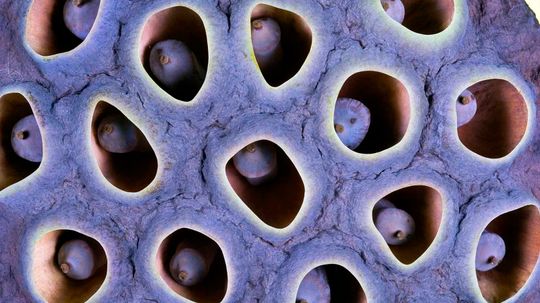
Trypophobia is the fear — or more like disgust — of closely packed holes. But is it a real phobia and how can it be treated?

Four weeks and 4,000 miles is a long time to get by on catnaps during a solo sailing race. So, researchers set out to find whether there was a sleep strategy that worked best.
Advertisement
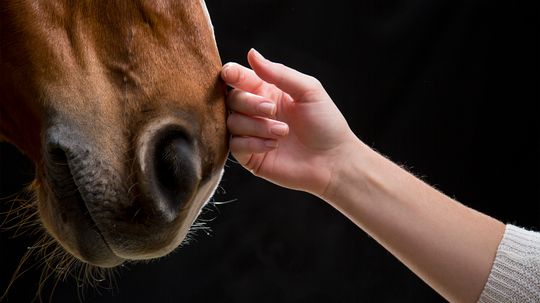
Horses are extremely sensitive to human emotions and are able to pick up on our subtlest feelings to help us uncover emotional blind spots.
By Wendy Bowman

Perhaps everyone feels unworthy of their achievements at some point. But if you constantly have that feeling, you may have impostor syndrome. So, who's more likely to have it and how do you cope with it?
By Alia Hoyt