
Digestive Health
Digestive acids that end up in the wrong place can cause heartburn and stomach ulcers. Find out how to maintain your digestive health and treat uncomfortable conditions such as reflux, gas, upset stomach and more.



Learn More

It's called auto-brewery syndrome and, for some folks, it's a fact of life.

A bland diet consisting of bananas, rice, applesauce and toast was a standard remedy for children with diarrhea and other stomach issues. But not any more. What happened to the BRAT diet?
By Alia Hoyt

Ever had that sinking feeling when you bite down on a sandwich and accidentally encounter a foreign object like a toothpick or a piece of plastic? If you spot it in time, you can spit it out. But what if you don't?
By Alia Hoyt
Advertisement

People who consume massive quantities of animal protein report experiencing the meat sweats, a sensation of feeling flushed and fatigued, accompanied by profuse perspiration.

Living with ulcers often means passing up your favorite spicy foods. But it gets worse — ulcers can form inside your body and on your skin, leading to potentially fatal conditions.

Nobody likes to vomit. But it's one of the body's amazing functions that could prevent you from becoming even sicker.

Throwing up bile is a less-than-pleasurable experience, to put it lightly. Sometimes it feels like it may never end. Find out why it happens, what your body is trying to tell you and when you should be concerned.
Advertisement

You can get rid of gas with simple dietary changes and mild exercise. Learn how to get rid of gas from this article.

If you just got home from a fantastic meal but begin to have terrible stomach cramps, you may have to treat food poisoning. Learn about how to treat food poisoning in the article below.

Your child came home from school with a terrible rectal itch, and you're pretty sure you have to learn how to get rid of pinworms. There are all sorts of medicines available, but in this article you will learn how to get rid of pinworms naturally.

While you may look forward to your annual Thanksgiving feast, no one looks forward to the post-feast feeling of a stomach stretched beyond capacity. But what happens if that type of feasting extends to every meal, every day?
Advertisement

Learn about treating GERD symptoms in this article.
Learn about a physical exam for GERD in this article.
If GERD progressively gets worse, it can cause serious damage to the esophagus. Learn more about untreated GERD symptoms.
Here are some questions to ask your doctor to ensure that you're getting the most from your medications.
Advertisement
What does GERD feel like? Learn about what having GERD feels like in this article.
Learn about the common symptoms of GERD in this article.
GERD affects more than 15 million people in the United States. Learn more facts about GERD in this article.
Learn about Alginic acid and antacid combinations in this article.
Advertisement
Digestive enzymes are substances secreted predominately by the stomach and small intestine. Learn about their function in digestion, and find out under what circumstances patients may need supplemental digestive enzymes.
Irritable bowel syndrome (IBS) is a common condition that generally refers to recurrent diarrhea and/or constipation. Learn about the discomfort and diagnosis of irritable bowel syndrome.

When you're doubled over with a burning pain in your stomach, is your love of flamingly spicy meals to blame? Or does your passion for chili peppers have little to do with the cause of your digestive ills?

If Superman had celiac disease, his weakness wouldn't just be kryptonite anymore -- he'd have to worry about wheat, barley and rye. How does gluten manage to wreak such havoc?
Advertisement

Heartburn may seem like just another unpleasant thing to endure, much like taxes, rush hour traffic and the contents of a baby's diaper. But when should you bite the bullet and make a doctor's appointment?
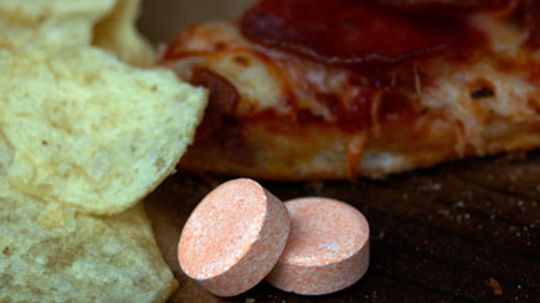
While many of us abstain from foods simply to keep our weight down, those with acid reflux often have to abstain from certain foods to keep their stomach acid down. Which are the most likely culprits?