
Recipes Channel
Recipes provide you with the ingredients and the simple, step-by-step directions for making some of your favorite dishes, as well as some you have never tried before.
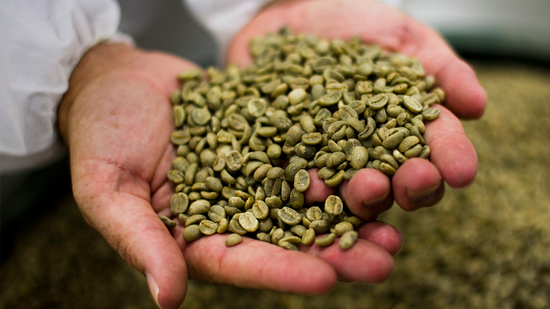
Want a Perfect Cuppa Joe? Roast Your Own Coffee Beans
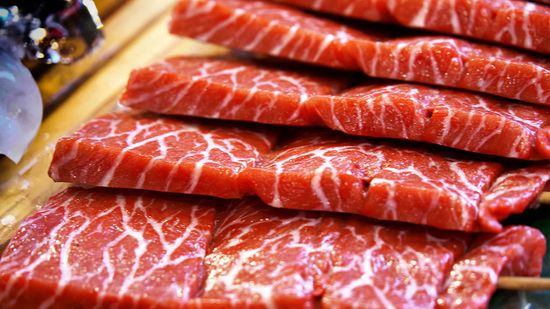
Is Wagyu Really Better Beef?
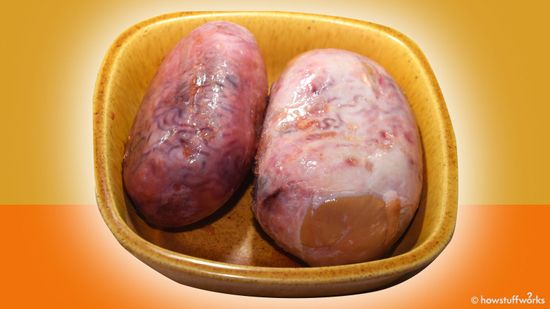
Tendergroin, Cowboy Caviar: Just What Are Rocky Mountain Oysters?
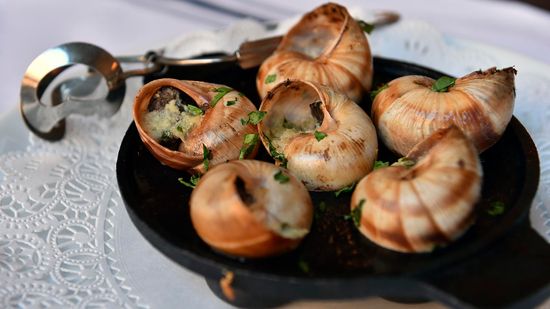
How Escargot Evolved From Snail Snack to Treat for the Elite
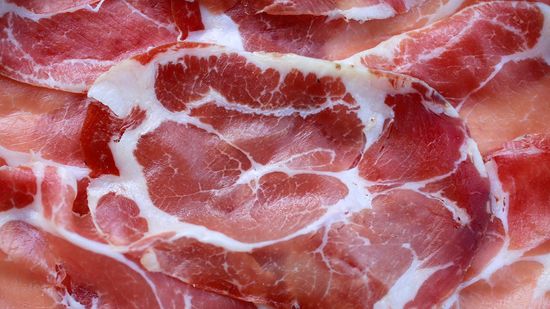
Capicola: The Italian Dried Meat Tony Soprano Called 'Gabagool'
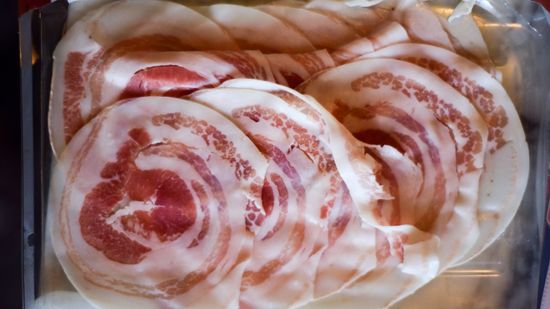
Pork Smackdown: Pancetta vs. Prosciutto vs. Bacon
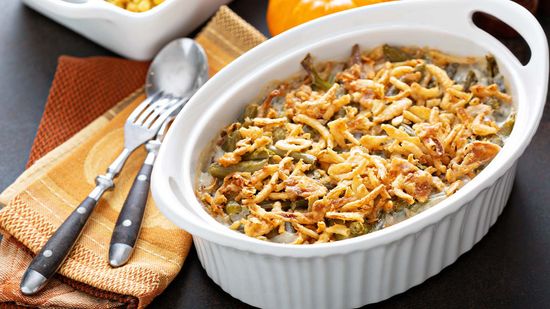
Dishing It Up: History of the Green Bean Casserole
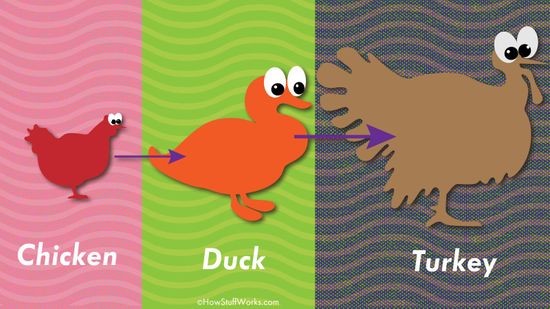
How Turducken Became the Ultimate Thanksgiving Triple Play
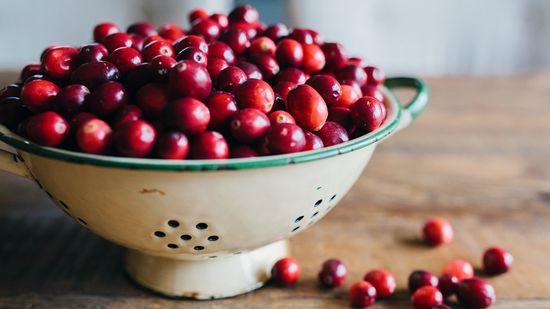
5 Ways to Use Fresh Cranberries
Learn More
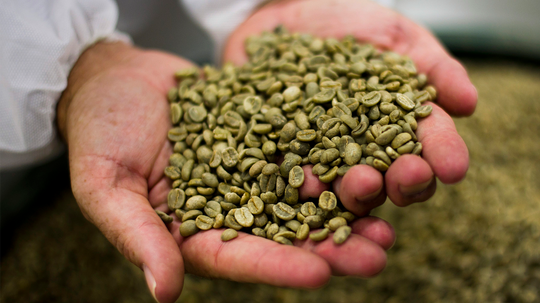
Been searching the world for that perfect cup of coffee? Maybe learning the fine art and science of roasting your own coffee beans is the way to go.
By Muriel Vega
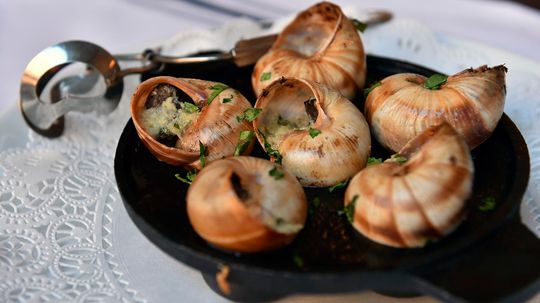
Escargot is a delicacy of snails that's common in many European countries like France, Spain and Portugal. But what do snails even taste like and how are they prepared?
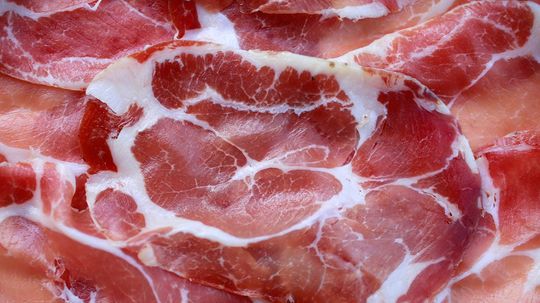
Capicola is an Italian cured meat that comes from a pig's shoulder. It's thinly sliced like prosciutto, but has its own distinct flavor.
Advertisement
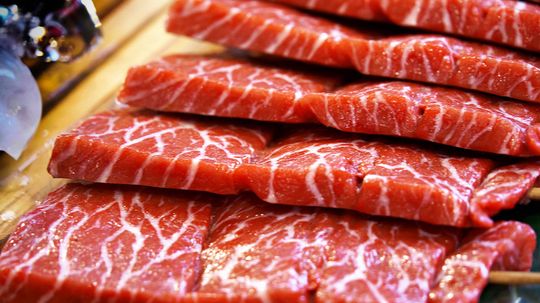
Wagyu is among the most expensive types of beef in the world, but is it really better beef and, if so, why?
By Jeremy Glass
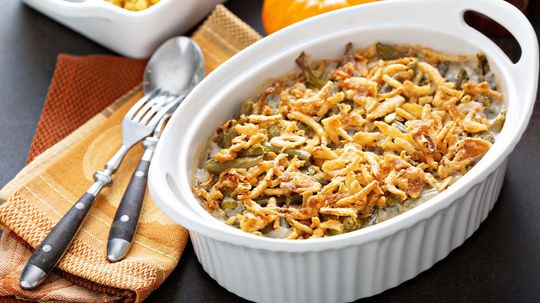
Green bean casserole is a staple at many Thanksgiving dinner tables. But who developed this recipe that has become such a holiday classic?
By Jeremy Glass
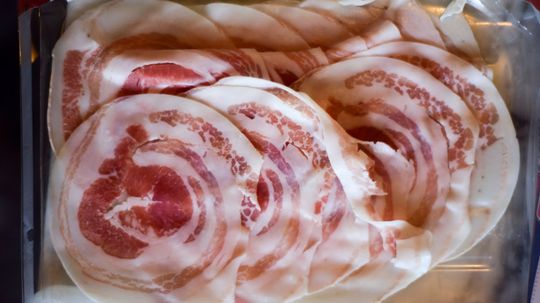
You could call pancetta Italian bacon, but it's so much more than that. Think of it as bacon maxed out. So how do you use it? And how does it differ from prosciutto?
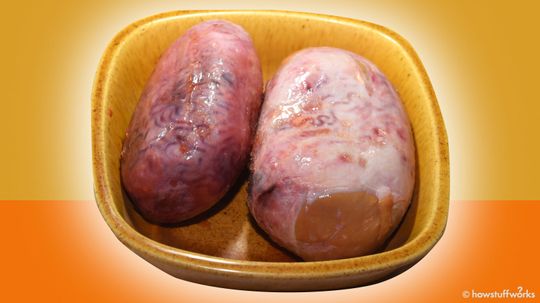
It's the meat that's launched a thousand jokes. But how did Rocky Mountain oysters get their name and what do they taste like?
Advertisement
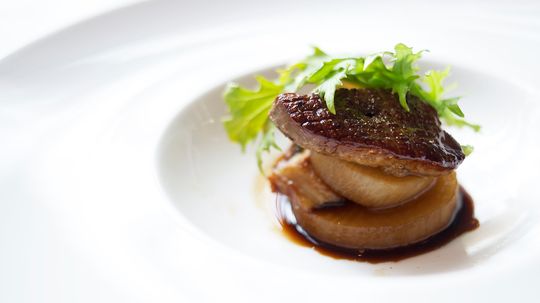
Cities around the world are banning foie gras, the French delicacy of fattened duck liver because the labor-intensive force-feeding process is considered unethical.
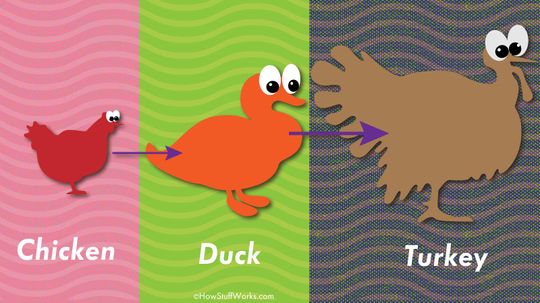
The turducken is the definitive bird-within-a-bird-within-a-bird (got that?) on the dinner table today. But who first created this mystery meat, and what does it taste like?
By Jeremy Glass

Every year during 'Cookie Season,' you're likely to be approached by some very cute girls with some very business-like sensibilities, asking you to buy some very delicious cookies. How much do you know about the Girl Scout cookie tradition?
By Alia Hoyt
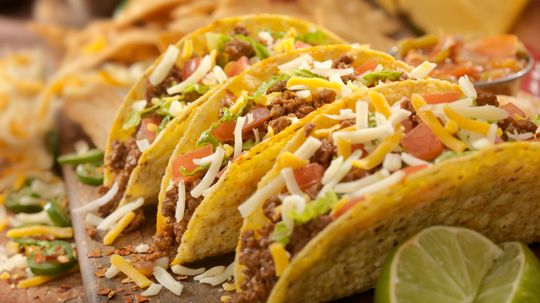
Whether it's breakfast, lunch or dinner, there's a taco to suit the occasion. But how did this Mexican street food become so popular in the U.S.?
Advertisement
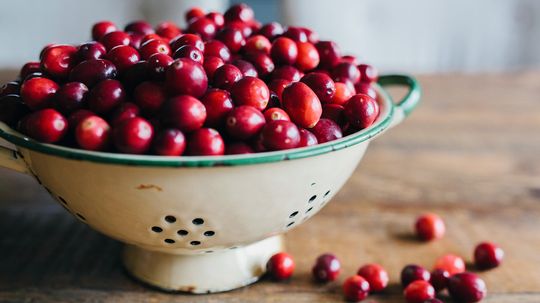
Fresh cranberries are a sign that the holidays are in full swing. But what are some simple ways to utilize with this tiny tart fruit?
By Shaun Chavis
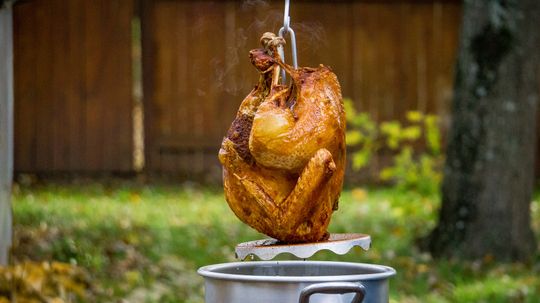
Deep frying a turkey can be risky business. But if you know how to do it right, you'll be rewarded with a succulent and juicy result you simply can't get from roasting.
By Shaun Chavis
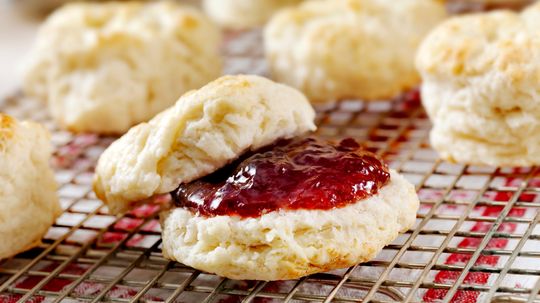
And a simple biscuit recipe to go along with it.
By Shaun Chavis
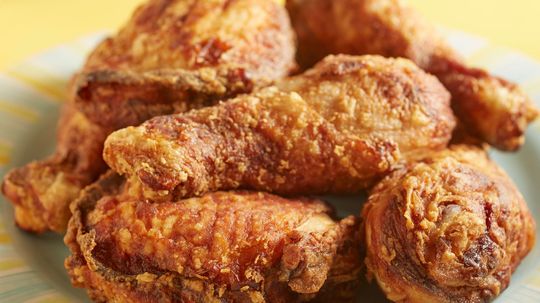
How did this dish become so associated with the American South and yet so beloved all over the world?
Advertisement
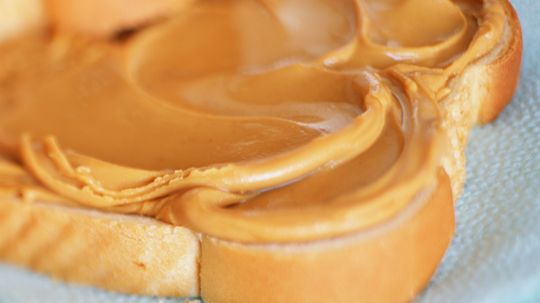
Why was a peanut butter sandwich originally a high-class meal? Do Americans prefer crunchy or smooth? Find out these and other tasty peanut butter facts.

Whether it's a sheet cake from the grocery store or an elaborate chocolate gateau, cakes are the go-to treat when there's a celebration going on. But how did that start — and what's the chemistry behind your favorite creation?
By Alia Hoyt

Ketchup is one of the most popular condiments in the U.S. and the world. But as people begin to prefer spicier sauces, what's the future of ketchup?
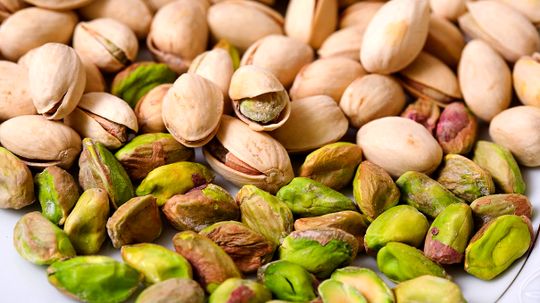
Walnuts, cashews, almonds and other nuts usually are sold removed from their shell, but not pistachios — that's due to an event that happens during the growing process.
Advertisement

Whether you're into craft cocktails, or just like Jack and Coke, you're sure to be stimulated by our list of facts.

You've been warned: Five separate studies showed that people prefer to receive gifts they specifically requested rather than being surprised.
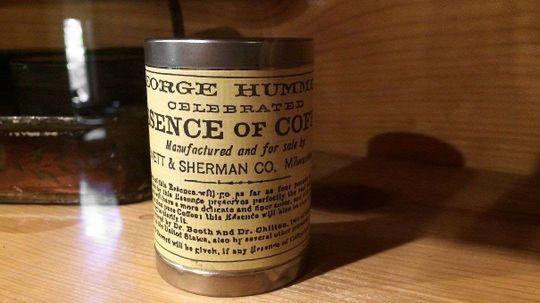
The American Civil War was a time of horror, loss and division. Plus many soldiers had to endure a vile, evaporated coffee sludge known as "The Essence of Coffee."
By Robert Lamb

A new study says eating pasta may help you lose weight. We were skeptical too — until we looked at the evidence.
Advertisement
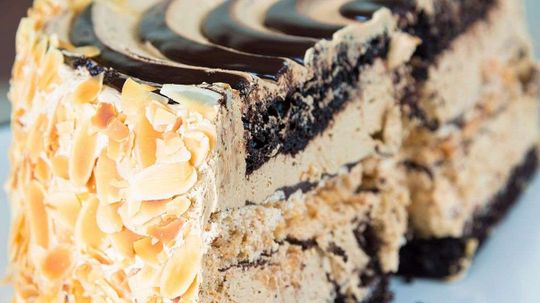
A study showed that people are heavily influenced by the picture on the cake mix box when it came to guessing serving size and calories.
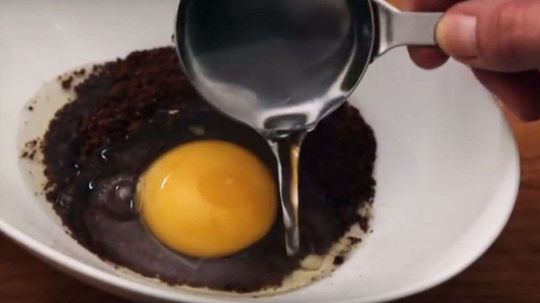
Egg in your coffee? It may sound odd, but it’s part of an old but enduring method of brewing that devotees say yields a better cup of joe.