
Skin Care
Skin care is a broad term that refers to everything from hygiene to anti-aging regimens. Learn more about skin care at HowStuffWorks.
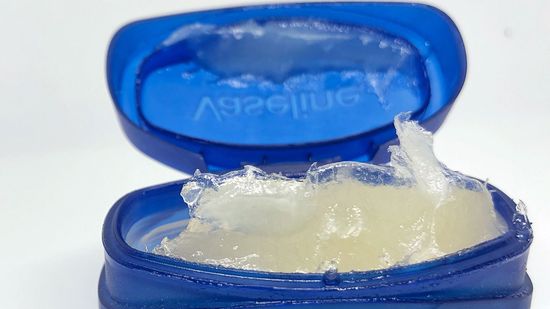
20 Amazingly Practical Uses for Petroleum Jelly
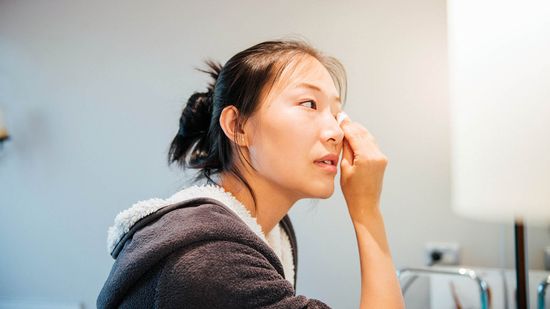
What Is Micellar Water and Should You Try It?
Morning vs. Evening Showers: Discuss

How Often Should You Replace Your Hairbrush?
Is beer really good for your hair?
Use Vegetable Oil to Condition Your Hair

The Best Face Cleansers for Your Skin Type
Are at-home microdermabrasion products good for your skin?
Oil Cleansing: Does Castor and Olive Oil Face Wash Really Work?

What Causes Ashy Skin?
5 Important Ingredients in Face Moisturizers for Women
Is Shea Butter Food For Your Face?

The Meaning Behind Semicolon Tattoos: A Symbol of Resilience and Solidarity

The Fascinating Meaning Behind Medusa Tattoos
You're Probably Not Putting on Enough Sunscreen
Should You Pop Your Blisters?
Why Do We Love to Pop Zits?

5 Things to Know About Plantar Warts

Why Do Bruises Change Colors as They Heal?
Do vegetarians have smellier sweat than omnivores?
How Can Skin Be Oily Yet Dry?
Goatees: Cool and Progressive or Outdated and Passe?
Can You Get Lice in Your Beard?
Does shaving really make hair grow back thicker?

Do underarm whitening creams really work?

10 Sources of Body Odor That Aren't Just Sweat

Does shaving your armpits reduce sweating?
5 Surprising Facts About Itchy Scalp
At a Glance: Face Steaming
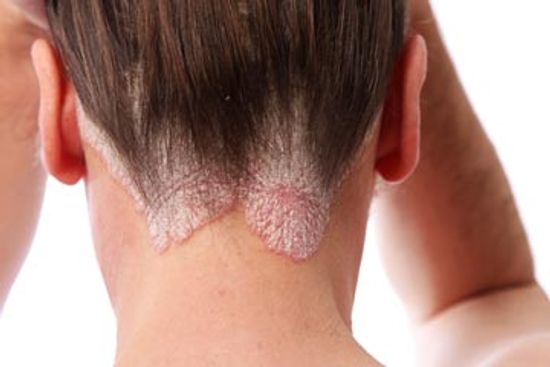
At a Glance: Scalp Sores
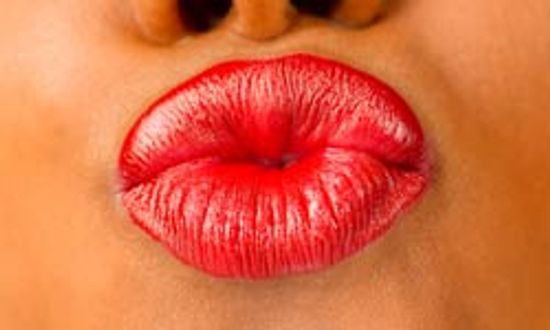
Quick Tips: Olive Oil and Your Lips

Side Effects of Kissing Too Much
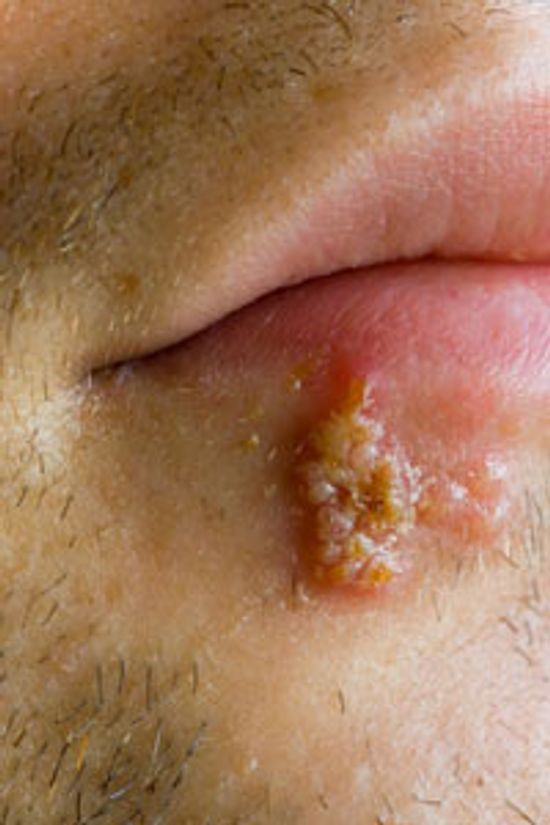
At a Glance: Fever Blister Treatment
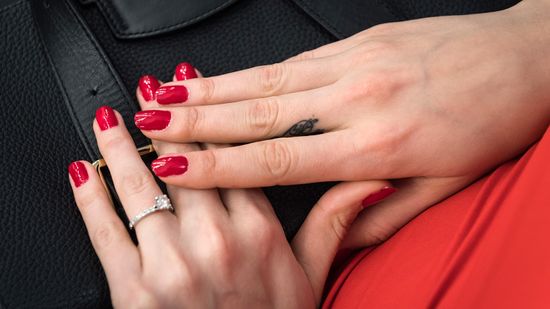
The Colorful History of Nail Polish

How Long Can Human Fingernails Grow?

What would happen if I never cut my fingernails?
Learn More

Explore the profound semicolon tattoo meaning and its significance. Discover the power of hope, resilience, and mental health awareness.
By HowStuffWorks

Explore the intriguing Medusa tattoo meaning, symbolism, and history. Unveil the captivating myth behind Medusa ink.
By HowStuffWorks
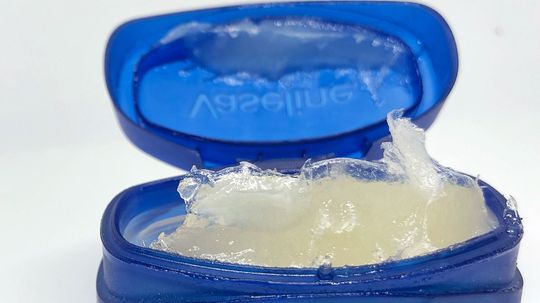
The recipe for petroleum jelly hasn't really changed in more than 150 years. This wonder product can do lots more than just soothe chapped lips and skin.
By Alia Hoyt
Advertisement

When was the last time you cleaned your hairbrush? Or bought a new one? Maybe it's time.
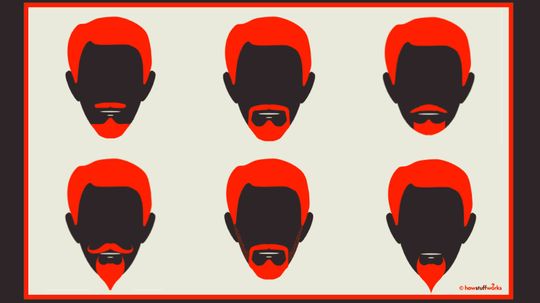
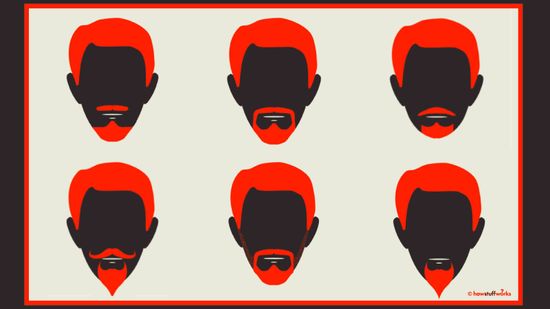
Goatees have been growing on faces for, well, a long time. So has their time come and gone, or are they more popular than ever?

This trendy facial product was well-kept secret among the French. But now it's taken the international market by storm. So what in the heck is it?
It's so gross-looking you're really tempted to prick it and let out the ooze. But what would a doctor say?
By Alia Hoyt
Advertisement
If you're one of those people who can't resist putting your fingers to work when you spot a pimple on your face, there's a scientific reason for why it feels so good.
By Alia Hoyt

Dry — or ashy — skin is the subject of many comedians' jokes, but it's no laughing matter. Find out why almost anyone can get it and how to treat it.
By Alia Hoyt

It's super-weird that a bruise changes from deep purple to green to yellow during the healing process. What causes this?
Today it's second nature to paint your fingernails and toenails. But it's been a long road to get here.
Advertisement
It's rare but you could find some of those tiny bugs crawling around in your beard. So how did they get there and how you get rid of them?
Are you morning or an evening person? Showerwise, that is. Experts and ordinary Joes weigh in on which is better.
By Alia Hoyt
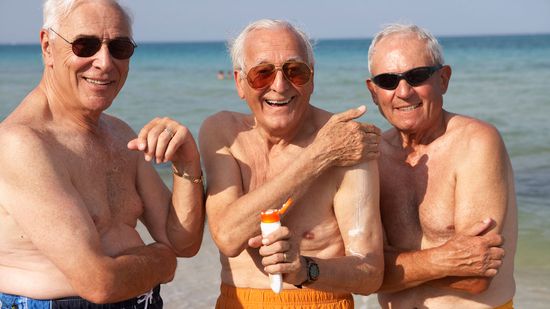
SPF30 will protect more like SPF 15 if you don't apply as much sunscreen as the experts recommend. And a study showed that most people put on far too little. But what's the right amount anyway?
By Dave Roos

From thin to thick and back again, we take a pictorial look at eyebrow fashion over the last 100 years.
By Alia Hoyt
Advertisement
Though sunscreen has protected our skin for decades, scientists still have questions about the intricacies of its photoprotective properties.

You can grow your nails to some serious lengths, but would you want to?
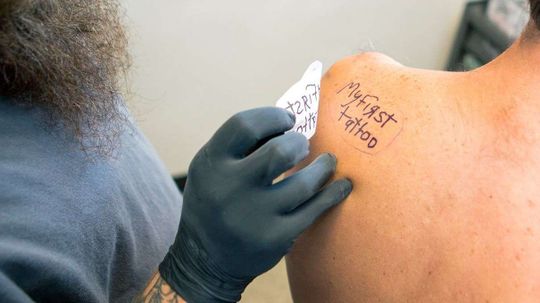
A startup is developing a nonpermanent tattoo that can be applied with the same technique and equipment that traditional tattoo artists use. You could snag one in 2017.
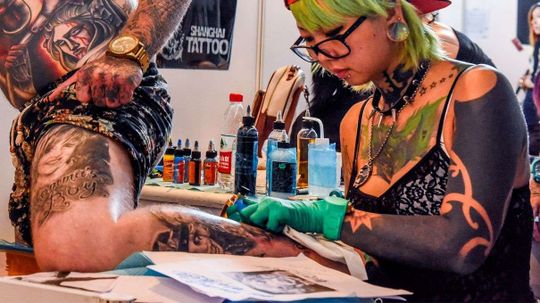
Blackout tattoos were once reserved for things like covering up the name of your short-lived (but very passionate) crush you had inscribed on your body. No longer.
Advertisement
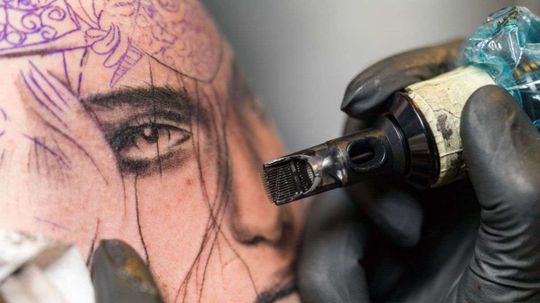
A new study indicates having lots of tats might mean a healthy immune system.

Getting ready to spend a day in the sun? Think twice before reaching for last year's sunscreen. Even if the bottle's still full, the lotion doesn't last forever. Don't get burned!
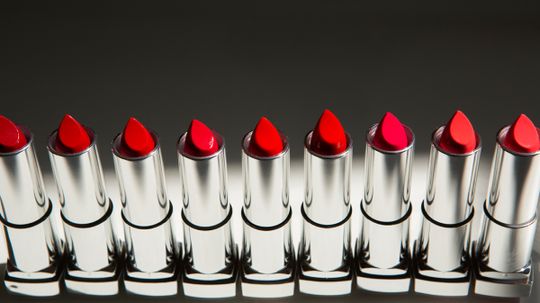
For many of us, putting on lipstick is as routine as brushing our teeth in the morning. But are there dangers lurking in your lip color?
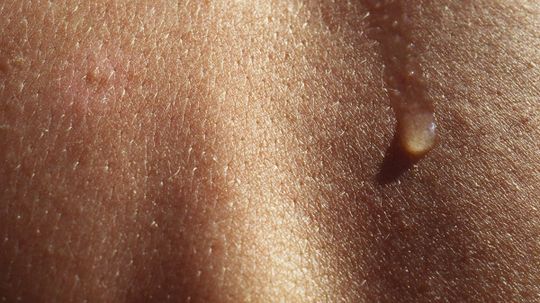
Some people think of vegetarians as "stinky." But does that stereotype have any basis in fact, and is it due solely to their plant-based diets?
Advertisement

Trimming, buffing, polishing, adding some bling – many people spend hours perfecting their manicures. But did you ever stop and think what could happen if you simply let them go? You might end up in the book of Guinness World Records.
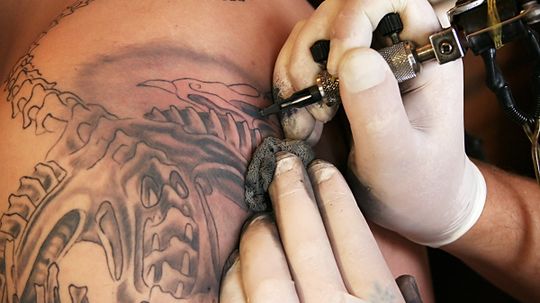
Tattoos are often colorful with vivid inks. But a red, oozing staph infection? Talk about your worst nightmare. Can a life-changing experience suddenly turn into a life-threatening one?
By Debra Ronca