
Skin Information
Skin information provides great information about skin hygiene and appearance. Learn more about skin information at HowStuffWorks.
Do vegetarians have smellier sweat than omnivores?
How Sweat Works

5 Ways Your Skin Changes During Adolescence

Why Do Bruises Change Colors as They Heal?
Quick Tips: Does taking an aspirin daily affect your skin?
5 Things to Know About Lactic Acid in Skin Care
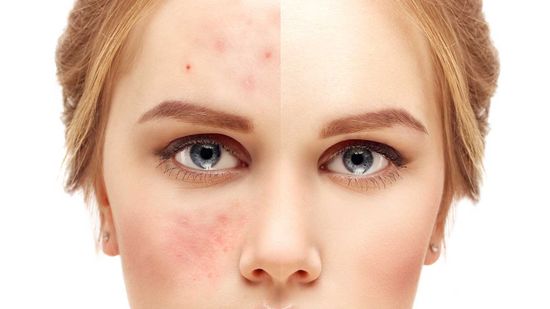
How Can Skin Be Oily Yet Dry?
Quick Tips: Are petroleum-based face creams good for sensitive skin?
What is The Difference Between the Skin On Your Face and Your Body?
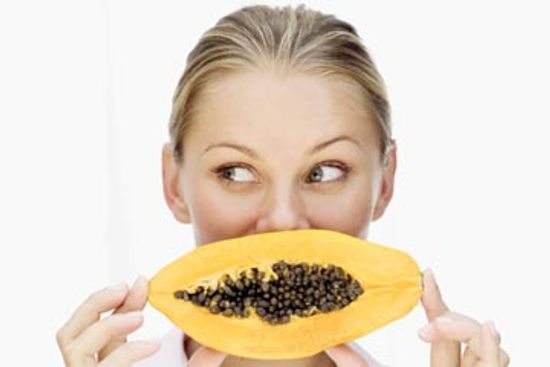
Quick Tips: 5 Best Fruits to Help Skin
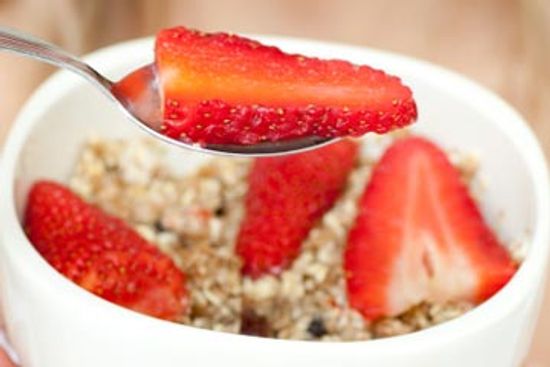
Quick Tips: 5 Ways to Feed Your Skin the Nutrients It Needs
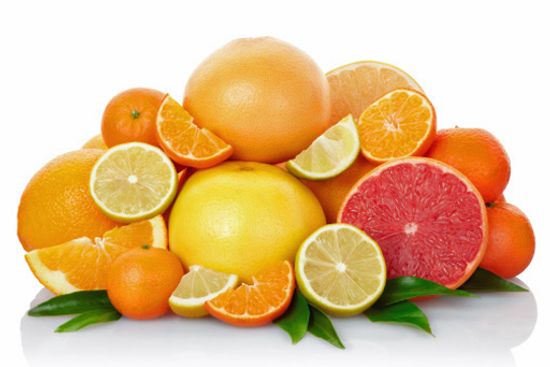
Top 10 Foods for Beautiful Skin
Learn More

It's super-weird that a bruise changes from deep purple to green to yellow during the healing process. What causes this?
Some people think of vegetarians as "stinky." But does that stereotype have any basis in fact, and is it due solely to their plant-based diets?
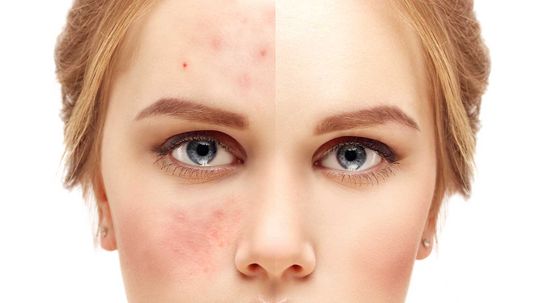
Combination skin can be oily in some areas by dry in others, making moisturizing and cleansing a problem. Learn how to treat combination skin.
By Abigail Libers
Advertisement
Petroleum-based moisturizers are safe to use and inexpensive. But is it good for sensitive skins? Learn the pros and cons of petroleum-based moisturizers.
By Diana Kelly
Skin on your face and skin on your body are very different. Learn how they vary and the best ways to get healthy skin on your face and your body
By Diana Kelly
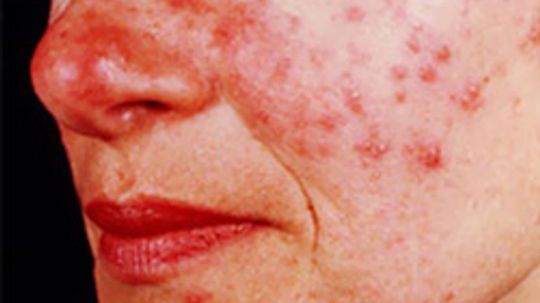
Skin irritations on your face, like rashes and welts, can be embarrassing. Learn the usual causes of skin irritations and how to get rid of them quickly Meta Keywords: skin irritations, skin irritation on face, skin rashes, welts, redness on face
By Jennifer Cohen

Bruise easily? You may have thin skin – a common problem associated with aging. Learn what causes thin skin and how to prevent it.
Advertisement
While daily aspirin therapy is believed to be beneficial for people at risk for heart attack, stroke and certain cancer types, there are risks that have to be weighed.
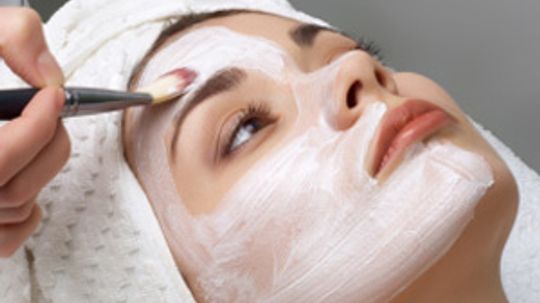
Do you want beautiful skin? Check out the various ways lactic acid can improve your skin. Do these tips for great skin using lactic acid.
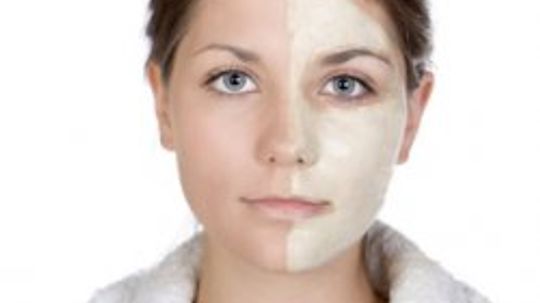
How much do you know about skin types? Do you know yours? Scroll through these photos to learn about skin types.
Unhappy with your dull complexion and sagging skin? Before resorting to surgery, try eating the five foods on our list to rejuvenate your skin and take years off your look.
Advertisement
They say an apple a day keeps the doctor away -- but can it keep the dermatologist away, too? And what can other fruits do for your skin?
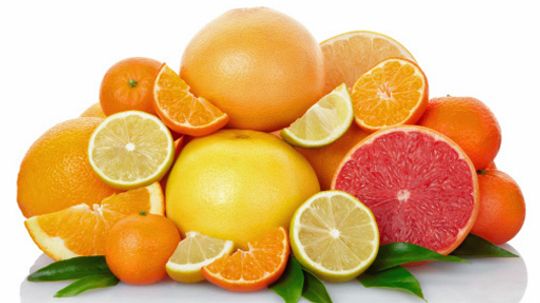
Selecting the right foods can help brighten your complexion from the inside out or the outside in. So should you skip the beauty counter and head for the grocery store instead?

Sweat is your body's way of cooling itself. Learn about eccrine and aprocrine sweat glands, how the body makes sweat, why we sweat and what factors affect sweating.
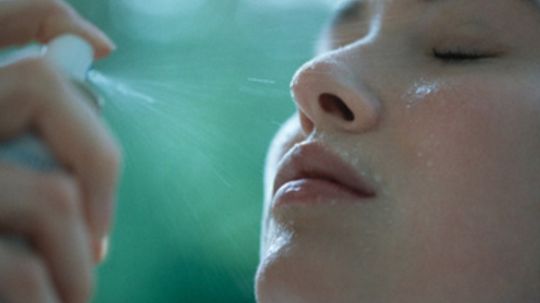
What happens to dead skin cells when they fall off your body? Are you sure you want to know? If you're sure you want the answer to this question, get ready for some staggering numbers.
Advertisement

Adolescence seems like the worst surprise ever -- where did all of this hair and these bumps come from? And why do I smell terrible? Don't despair -- we've laid out five ways skin changes during those years so you'll know what you're dealing with.

Is your bottom smoother than a baby's? We didn't think so. Are you suffering from diaper rash? We hope not. So why is the skin of these pint-sized humans so different from mine and yours? We'll give you five reasons.

Some medications clearly don't mix. Taken together, certain drugs can cause serious harm, if not death. And some require users to avoid the virtually unavoidable -- the sun.
By Josh Clark

Your skin is your body's largest organ and protects you from the elements, but how does it protect itself from toxins? Believe it or not, you actually do most of the work.
By Dave Roos
Advertisement

Aging skin is a fact of life. At some point in each of our lives, our smooth and supple exteriors become dry, wrinkled and saggy. And although much of aging is biologically inevitable, there are some things you can do to protect yourself from the ravages of time.

Gum. Breath mints. Deodorants. Perfumes. We put a lot of work into controlling what we smell like. So which foods are most likely to undo it all?

Every day, a barrage of advertisements for various cosmetics, oils and unguents assault our eyes and ears, all claiming to "let your skin breathe." But does your skin actually "breathe"? Does it even take in oxygen?

If senior superlatives were given to human organs, the heart would win "hardest working," while the lungs would garner "most athletic." But what would the skin be noted for? Our guess is "most underappreciated" -- not to mention "best dressed."
Advertisement

If skin grafts seem painful to you, that's because they are. Skin grafts are patches on skin that are attached or sewn to open wounds to help them heal. They may be excruciating, but they save lives.
By Dave Roos
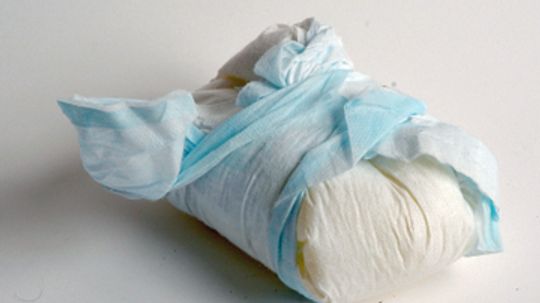
Disposable diapers have been popular for decades, but recently there's been a trend toward using cloth. They may be better for the environment, but are they better for your baby's skin?
By Josh Briggs