
Skin Problems
Skin problems, ranging from mild acne to skin cancer, affect people of all ages. Learn more about skin problems at HowStuffWorks.

10 Ways to Prevent and Treat Cradle Cap
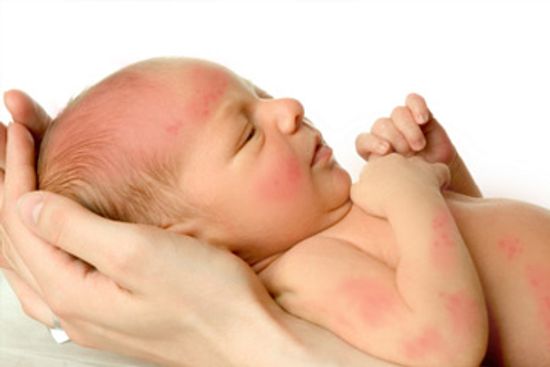
Fifth Disease Overview

Hemangiomas
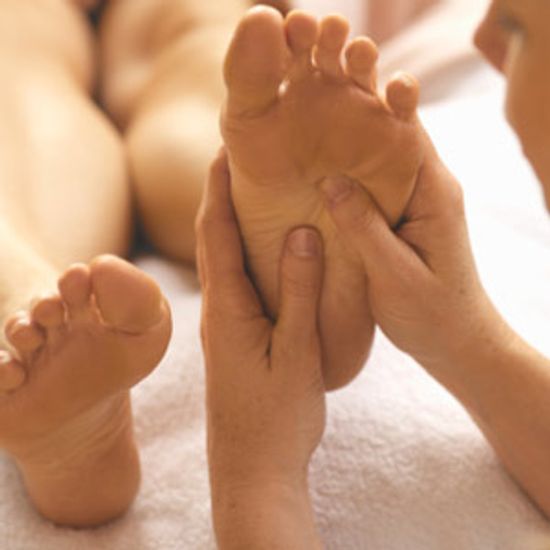
5 Things to Know About Plantar Warts
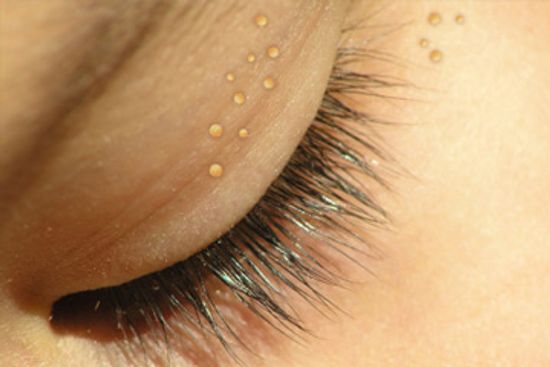
5 Things You Need to Know About Milia
10 Natural Ways To Prevent and Heal Bruises
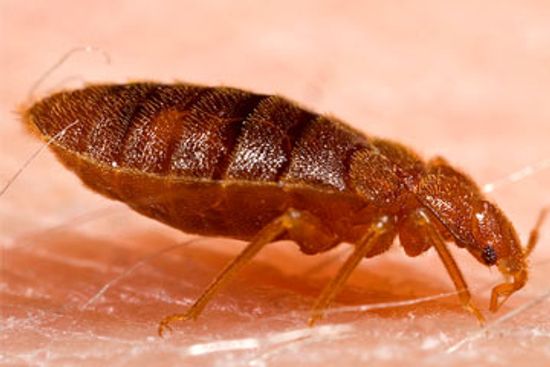
5 Common Skin Parasites
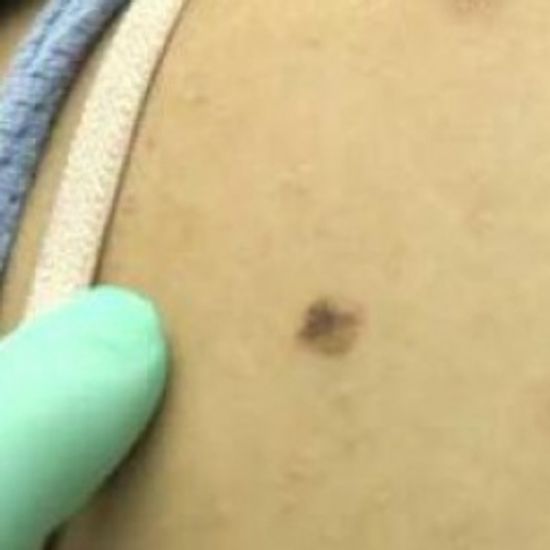
Do you have a mole that doesn't look right?
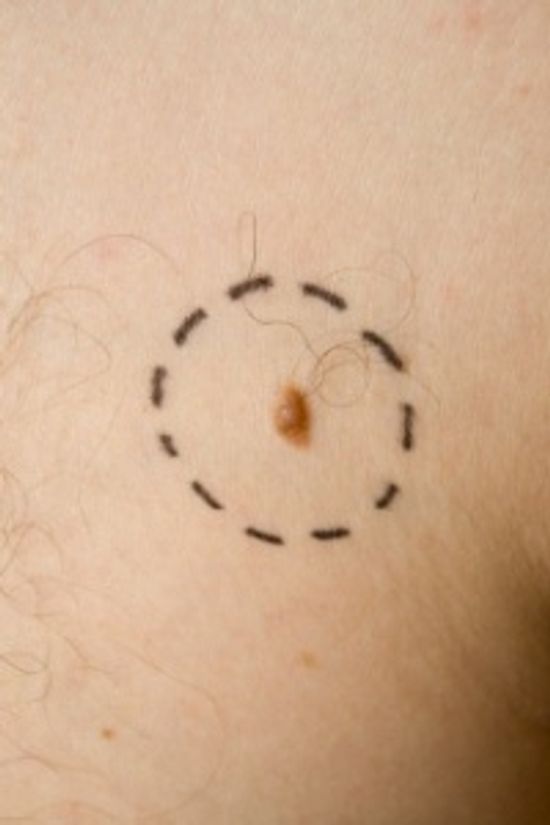
Do you know the signs of skin cancer?

Should You Pop Your Blisters?
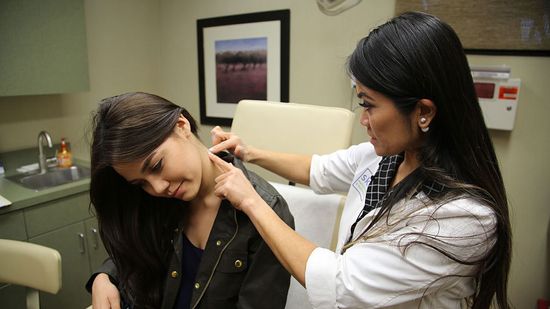
Why Do We Love to Pop Zits?
How to Reduce Under-eye Puffiness
Learn More

It's so gross-looking you're really tempted to prick it and let out the ooze. But what would a doctor say?
By Alia Hoyt
If you're one of those people who can't resist putting your fingers to work when you spot a pimple on your face, there's a scientific reason for why it feels so good.
By Alia Hoyt
Get rid of plantar warts for good using our helpful ideas. We'll give you simple ways to treat, prevent, and get rid of plantar warts.
Advertisement
Under-eye puffiness doesn't do your face any favors. Get the do's and don'ts (we're looking at you, hemorrhoid cream) for reducing under-eye puffiness
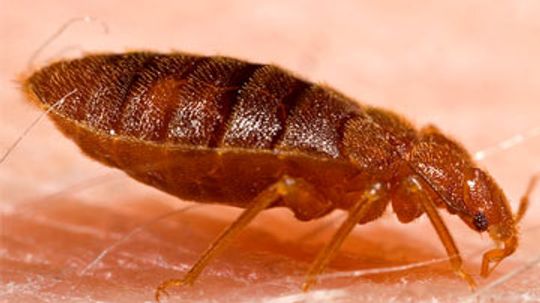
Whether you like it or not, certain critters may see you as a meal. Learn how to avoid common skin parasites like bedbugs, fleas, and lice
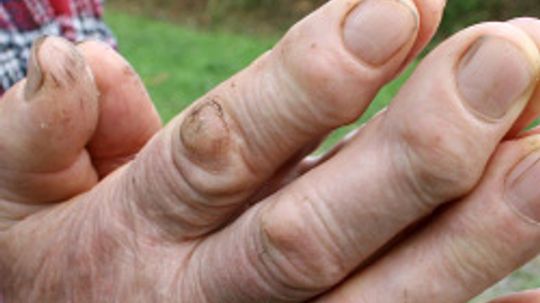
What are flat warts? Learn five easy ways to treat these harmless spots and rid yourself of flat warts for good.
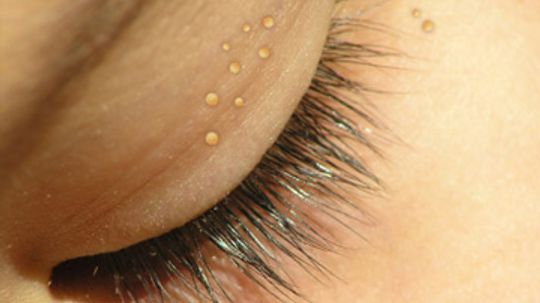
Milia is small, white bumps that form around your face. Read on to learn all that you need to know about milia.
Advertisement
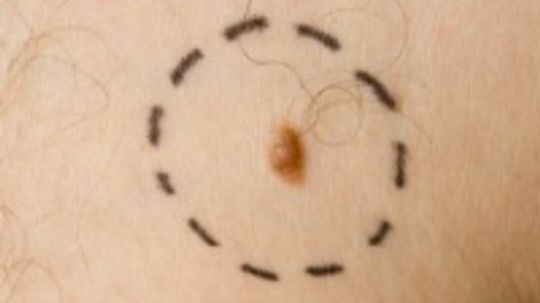
Do you know the signs of skin cancer or think that skin cancer isn't a problem? See the signs of skin cancer to protect yourself and get informed.
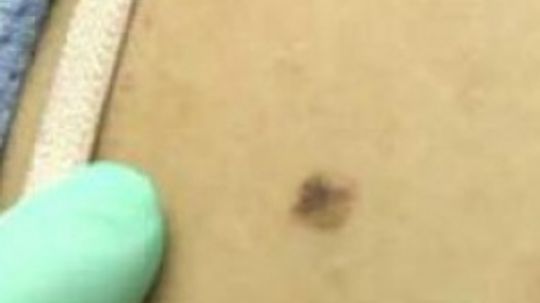
Not all mole changes signal melanoma, but it's important to have any changes checked out early. Learn what you should do if you have a mole that doesn't look right.
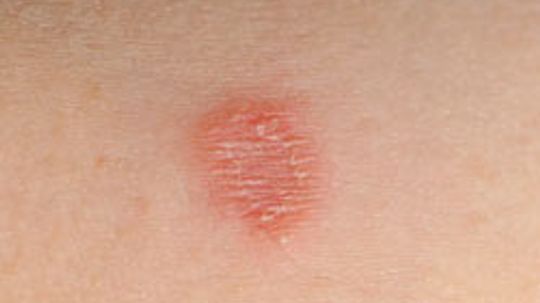
For many, the mere idea of a fungus living in one's skin is repulsive. But if you can distance yourself from the disgust, fungus is actually pretty fascinating.
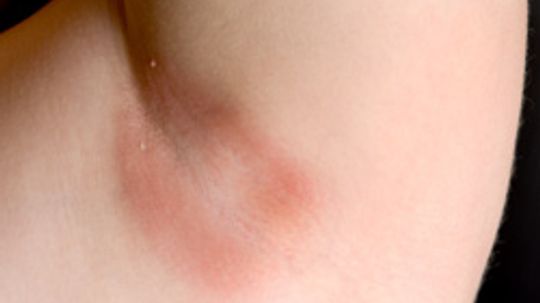
You've been working in the yard, ripping out all those unwanted weeds. Now you're scratching a small red patch and wondering where it came from. Could it be a skin rash?
Advertisement
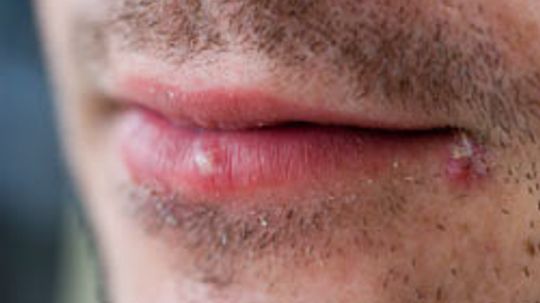
Cold sores are many things, and, unfortunately, they're caused by a virus that those infected will carry with them for the rest of their lives. Let's look at the causes and some treatments.

It's a fact of life: As we age, the body's skin loses its elasticity. But, there are ways to slow the process.
Gettingathlete's foot is the closest most of us will ever come to being an athlete, but aside from its familiar moniker, this fungal infection really has nothing to do with sports. When the symptoms arise, these remedies could offer relief.
Fight nasty bruises the eco-friendly way. Learn more about these 10 natural ways to prevent and heal bruises.
Advertisement
Although sandpaper could remove a tattoo, it's not worth trying it. Learn about whether sandpaper can remove tattoos.
As the name suggests, chilblains is a cold-weather skin condition that makes your fingers and toes redden and swell. How can you prevent chilblains if you have to go out in the cold?
By John Kelly
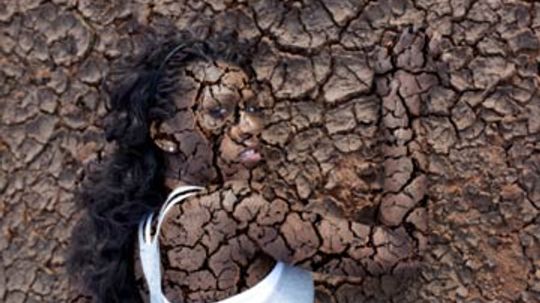
Named for the scaly appearance it causes on the skin, the types of ichthyosis can range from everyday dry skin to more serious, fatal versions. What causes this family of skin conditions, and how can you treat it?
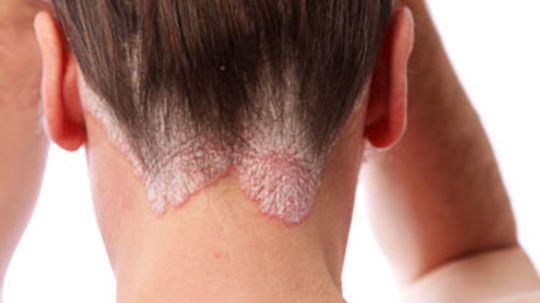
Skin is tough -- because it has to be. It must protect us from the elements and environmental toxins, but what happens when its biggest threat comes from inside the body?
By Josh Clark
Advertisement
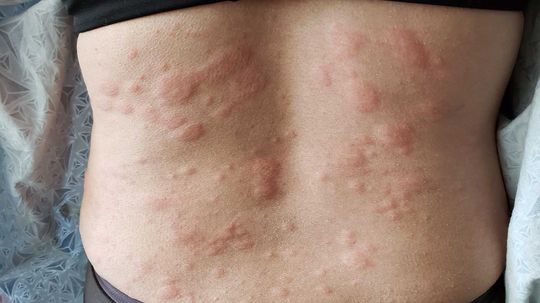
It may be easy to dismiss red, itchy bumps on your skin as hives, but it might turn out to be another condition. How can you tell the difference between hives and conditions that look like it?
On Tuesday, you find a seemingly harmless, tiny cut on your ankle. But by Friday, you're in the hospital fighting for your life as you undergo your fifth surgery in three days. Necrotizing fasciitis (aka flesh-eating bacteria) may sound like something out of a science-fiction novel, but it's a very real, potentially fatal illness.
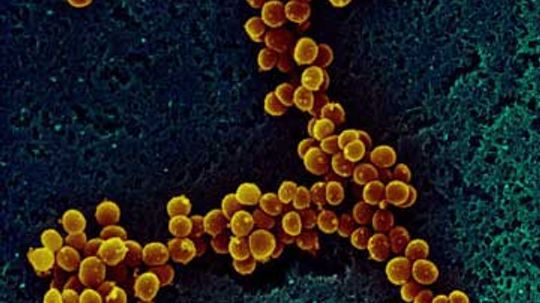
Though some think they're limited to hospitals, you can catch staph infections anywhere from restaurants to locker rooms. How do these infections spread, and what is it like to have one?

From a blue tint to scaly plates, some skin conditions are recognized for their unusual symptoms. What are some of the rarest skin conditions in the world, and what do they look like?
By Jane McGrath
Advertisement
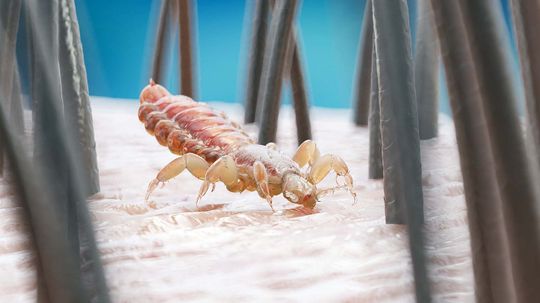
Parasites are creepy to begin with. They live on or in a host, including humans. Some even lay eggs in our skin!
Morgellons Disease, the name for a group of symptoms marked by unidentified fibers that exit a person's body, is still written off by doctors as a mental illness. What's at the root of this mysterious condition?