staying young center
Anti-Aging Tips

send to a friend
printer friendly version
anti-aging tips
Related Links
For another perspective, see Supplements: Fact or Fiction?
Seven Anti-Aging Tips
small text
large text
If your aim is to be lively and robust in your 80s and 90s, you'll need to learn some anti-aging secrets. Here are some anti-aging tips that are the most frequently touted anti-aging techniques.
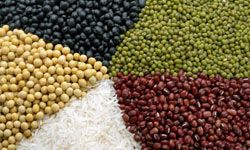
  • Eat a diet low in fat, high in complex carbohydrates. The standard advice from the US government is to consume 5 fruits and vegetables and 3 servings of whole grains daily for vitamins and minerals and the other healthful micronutrients in plants. Drink five to eight 8-oz. glasses of water. Get no more than about 30-35 percent of daily calories from fat, with about 20 percent of that from unsaturated fat (e.g., 1 percent milk, olive and canola oil); 15 percent from protein; and the remaining calories from carbohydrates, with an emphasis on complex carbohydrates like oatmeal, whole wheat bread and wild rice.

  • Build endurance and strength with exercise. Regular aerobic exercise is a "must-do" for anyone committed to slowing the aging process, agree experts. Hundreds of studies show that exercise combats the loss of stamina, muscle strength, balance, and bone density that increases with age. The American Heart Association advises doing a single set of eight to 15 repetitions, using eight to 10 exercises, two to three times a week for a comprehensive strength-building program. If you are not a beginner, that's about a 10-minute routine.

  • Maximize Your Intake of Antioxidants. The evidence is "incontrovertible" and bears repeating, says Dr. Jeffrey Blumberg of Tufts University. Free radicals contribute to the onset of age-related diseases and antioxidants "neutralize" free radicals. Everyone should "take a combination of antioxidants" through diet and supplementation, he asserts. Blumberg advises eating dark-colored vegetables like tomatoes, carrots, squash, and spinach for carotenoids and blue and purple berries for flavonoids. Because foods contain many classes of antioxidants that work synergistically, they are the superior source of antioxidants, says Blumberg. But because we don't always eat as we should, Blumberg advocates taking daily supplements of the "classic" antioxidants: 200-250 mg of vitamin C; 100-400 IU of vitamin E; and a mixed carotenoid supplement of 6-10 mg. "I always tell people that taking antioxidants is 'like driving with a seatbelt,'" says Blumberg. They can protect you're life, but they are not "a license to drive recklessly."


1 . 2
next

Pictures: DCI |

SUBSCRIBE TO OUR NEWSLETTERS

Use our Sitemap to find what you need quickly.

Discovery Channel | TLC | Animal Planet | Discovery Health | Science Channel | Planet Green
Discovery Kids | Military Channel | Investigation Discovery | Discovery Home | HD Theater | Turbo | FitTV

HowStuffWorks | TreeHugger | Petfinder | PetVideo | Discovery Education

Visit the Discovery Store: Toys & Games | Telescopes | DVD Sets | Planet Earth DVD | Gift Ideas

By visiting this site, you agree to the terms and conditions
of our Visitor Agreement. Please read. Privacy Policy.
ATTENTION! We recently updated our privacy policy. The changes are effective as of Tuesday, October 30, 2007.
To see the new policy, click here. Questions? See the policy for the contact information.

Copyright © 2008 Discovery Communications, LLC.

The leading global real-world media and entertainment company.

 
Advertisement

Sponsored Links

Sponsored Links
newsletter